The Zero-Waste Home: Small Swaps That Make a Big Difference
A lower-waste home is built through everyday choices, not an overnight overhaul.
The idea of creating a zero-waste home can sound ambitious, especially when most of what we buy arrives wrapped, bottled or boxed. But lasting change begins with noticing what moves through your home most often.
Start where products are used quickly and replaced frequently. In the bathroom, shampoo and conditioner bars can eliminate a steady stream of plastic bottles, while refillable hand soap or concentrated tablets reduce packaging without changing your routine. In the kitchen, biodegradable dishcloths, natural fibre scrub brushes and beeswax covers can replace items that are thrown away after a short time.
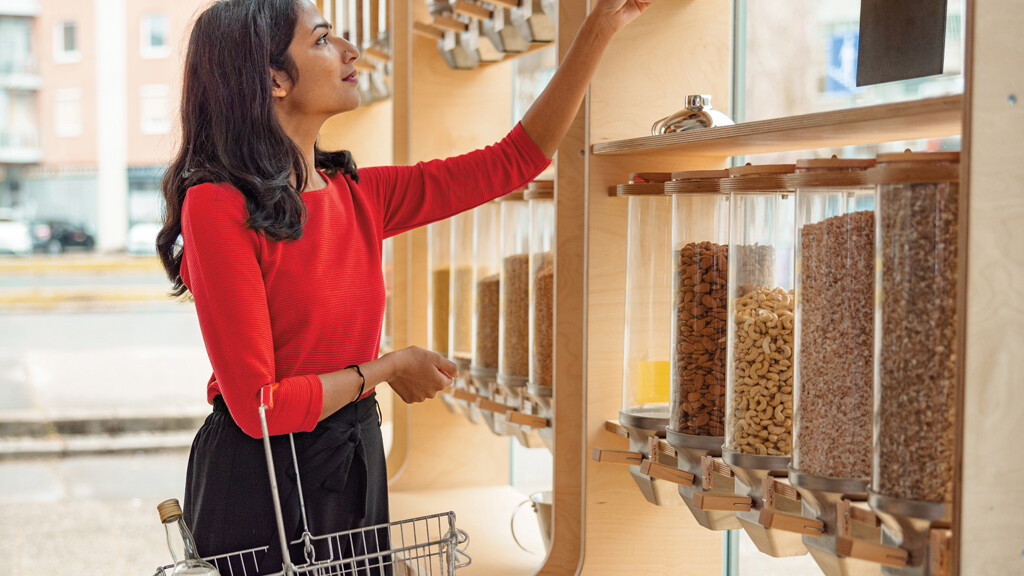
The most useful swaps are often the ones that make daily life easier. Buying dish soap, laundry detergent or hand soap in bulk can make reducing individual packaging part of your routine. Keeping reusable produce bags near the door makes them harder to forget, while storing washable cloths where you’d normally reach for paper towels makes the reusable option just as convenient.
It also helps to resist the urge to buy your way into sustainability. Use the plastic containers, cleaning tools and storage bags you already own until they wear out. A lower-waste home isn’t one filled with matching bamboo products; it’s one that gets more life from what’s already there.
Food waste is another place where small systems matter. Create an “eat first” shelf in the fridge, freeze herbs in olive oil, save vegetable scraps for stock or plan one flexible meal around ingredients that need to be used.
Before bringing in something new, consider where it’ll eventually go. Products made from a single material are usually easier to recycle or compost than items fused together. Choosing durable, repairable basics can also help prevent the cycle of replacing a “green” product every year.
The goal isn’t perfection or a nearly empty garbage bin. It’s about building habits that make reusable choices feel automatic. One thoughtful swap may seem small, but repeated across hundreds of ordinary days, it becomes part of how a home works.